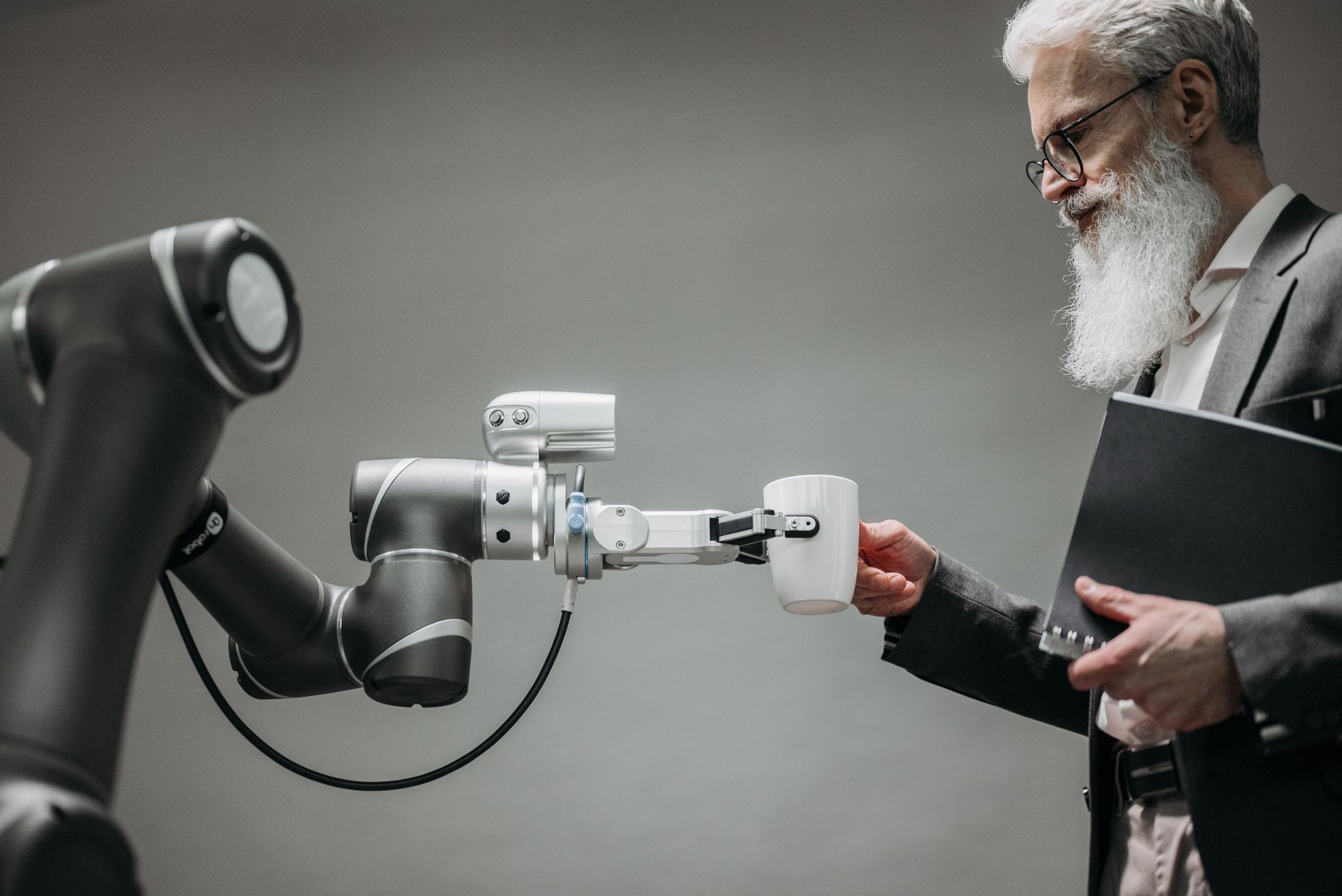
AI for Small Business: Stunning Risks or Best Time-Saver?
Artificial Intelligence (AI) for small business has rapidly transformed from a futuristic concept to a pressing reality. While many tout AI as the ultimate time-saving tool for entrepreneurs juggling countless responsibilities, others warn of the significant risks lurking beneath the surface. This controversial debate delves into whether AI truly serves as a boon that empowers small companies or if it dangerously jeopardizes their operations, privacy, and identity.
AI for Small Business: Why the Hype?
Small business owners often wear multiple hats and face relentless time pressures. AI technologies—from chatbots and automated accounting software to personalized marketing tools—promise to streamline tasks that previously consumed precious hours. This potential for efficiency gains is why AI adoption is touted as “the best time-saver” in the modern entrepreneur’s toolkit.
For example, AI chatbots can handle customer inquiries 24/7 without human intervention, freeing up staff to focus on complex issues. AI-driven analytics reveal consumer patterns quickly, enabling more strategic decision-making. Automated inventory management reduces costly stockouts or overstocking. In theory, these capabilities allow small business owners to reclaim valuable time, reduce human error, and enhance customer satisfaction.
The Stunning Risks Few Want to Discuss
Despite AI’s alluring benefits, many experts argue that these technologies come with stunning risks that may outweigh the rewards—especially for small businesses with limited resources to manage consequences.
Loss of Human Touch and Brand Identity
Small businesses often survive and thrive precisely because of their unique, personal connections to customers. Dependence on AI-driven customer service bots, marketing tools, or social media managers risks stripping away the human warmth and nuanced understanding that define a brand’s personality. Customers may feel alienated when interacting with machines rather than real people, eroding brand loyalty.
Data Privacy and Security Concerns
Adopting AI almost inevitably involves collecting, storing, and processing large volumes of data. For small businesses, insufficient cybersecurity infrastructure can lead to breaches that compromise customer information, leading to potential legal liabilities and loss of trust. Moreover, many AI providers collect data for their profit motives, creating ethical dilemmas and risks of commercial exploitation.
Hidden Costs and Complexity
Though AI solutions advertise cost savings, the reality often involves unexpected expenses. Implementation requires technical expertise that small businesses may not possess, leading to costly consultant fees or hiring challenges. Systems must be continuously updated and monitored to avoid flaws that cause operational failures, offsetting any time saved.
Job Displacement and Economic Impact
While AI might save time in administrative or repetitive tasks, it could also displace valuable employees. For small towns or tight-knit communities, losing local jobs to automation may weaken social fabric and economic resilience. This raises ethical questions about the broader consequences of AI adoption beyond individual business efficiency.
Balancing Act: Can AI Serve as a Helper, Not a Hazard?
The key challenge for small businesses is balancing AI’s undeniable efficiencies against its risks. Blind enthusiasm or reckless adoption without proper oversight can backfire spectacularly. Conversely, total rejection of AI may leave companies lagging behind more tech-savvy competitors.
Practical Strategies to Mitigate Risks
– Start Small and Test Thoroughly: Pilot AI tools on limited processes to evaluate real-world impact.
– Maintain Human Oversight: Ensure AI complements rather than replaces human workers.
– Prioritize Data Security: Invest in cybersecurity measures proportionate to the data handled.
– Choose Transparent Providers: Opt for AI vendors with clear privacy policies and ethical standards.
– Train Staff Adequately: Equip employees to manage AI workflows and troubleshoot issues.
The Verdict: Stunning Risks or Best Time-Saver?
The truth is rarely absolute. AI for small business can be both a stunning risk and a best time-saver—sometimes simultaneously. Those who succeed are often the ones who approach AI with cautious optimism, armed with knowledge and a willingness to adapt continually.
In an era where technological disruption is accelerating, dismissing AI outright could be just as perilous as embracing it uncritically. Small businesses must carefully navigate these complex waters, recognizing that AI is not a magic wand but a powerful tool that requires deliberate handling to unlock its true potential without falling victim to its pitfalls.
Ultimately, whether AI becomes a savior or a snare depends less on the technology itself and more on how small business owners understand, implement, and govern it within their unique realities.