AI vs Human Creativity: Exclusive Clash of Best and Flawed Art
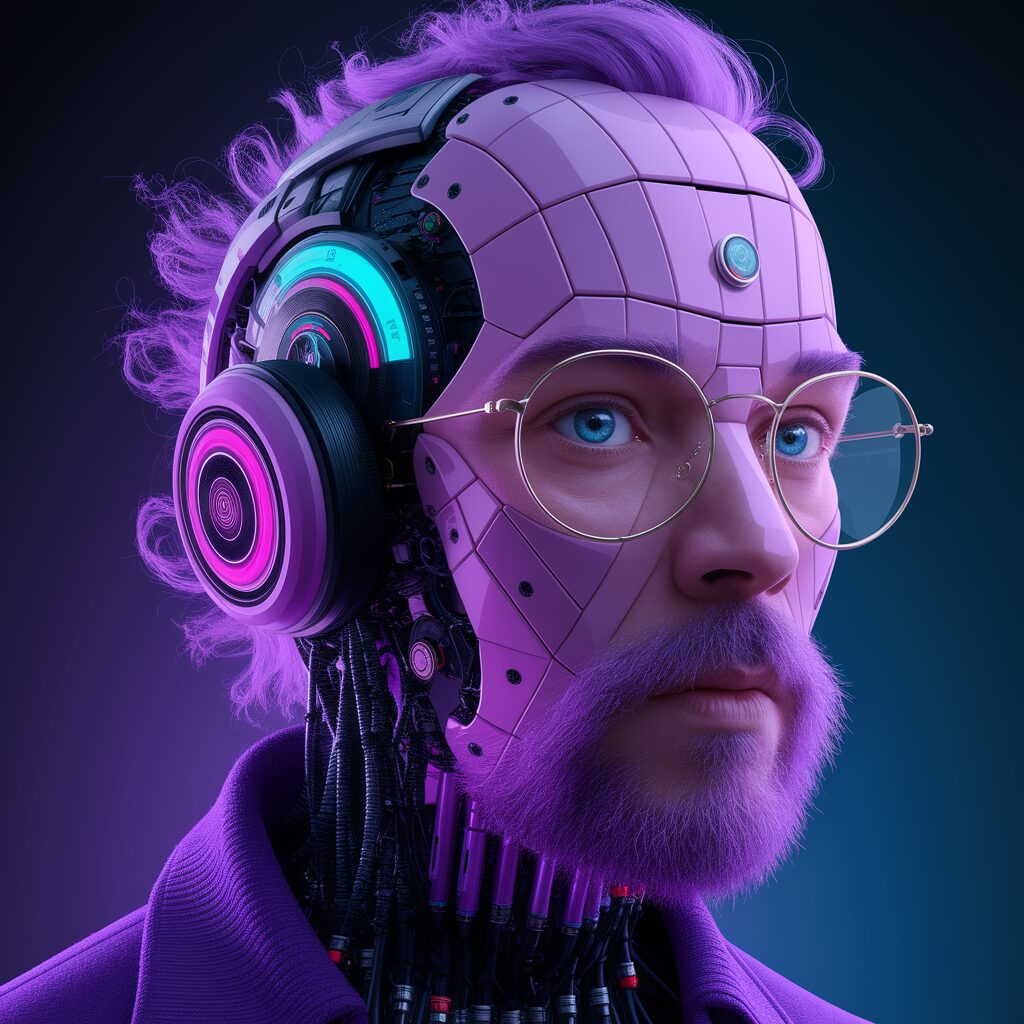
The debate over AI vs Human Creativity has recently taken center stage in discussions about the future of art and expression. As artificial intelligence technologies rapidly advance, their ability to produce impressive works of art challenges long-held beliefs about the unique nature of human creativity. But beneath the surface of this technological marvel lies a controversial clash: Can AI-generated art truly rival the best of human masterpieces, or is it fundamentally flawed and soulless?
The Rise of AI-Generated Art and Its Impact on Creativity
AI art programs have evolved from simple image generators into sophisticated systems capable of producing portraits, landscapes, music, and even literature. Tools like DALL·E, Midjourney, and GPT have democratized artistic production, enabling anyone with a prompt to create evocative visuals or compelling narratives. This accessibility seemingly levels the playing field but raises significant concerns about originality and authenticity.
Proponents argue that AI democratizes creativity and enhances human potential by offering endless possibilities and collaborations. Supporters see AI as a tool to augment creativity rather than replace it—an assistant that can inspire human artists by suggesting unexpected ideas or styles.
However, critics highlight a glaring problem: AI lacks intentionality and emotional insight. Unlike humans, AI does not experience life, emotions, or consciousness; it processes data and generates outputs based on patterns and training datasets. This fundamental difference calls into question whether AI art can ever embody the soul and depth of human-created works.
Human Creativity: Best and Flawed Art
Human creativity is celebrated as the pinnacle of cultural achievement—and rightly so. The best human art is imbued with personal experience, emotion, context, and societal commentary. It reflects the complexities of human existence, struggles, and triumphs filtered through unique perspectives.
Yet, human creativity is not without flaws. Artistic creation is often hampered by biases, limited skill sets, and the inevitable human error. Many artists produce mediocre or derivative works; cultural gatekeeping and elitism frequently stifle innovation and diversity. Moreover, human creativity can be inconsistent—brilliant creations may be followed by uninspired repetitions or outright failures.
This imperfection is part of what makes human art fascinating and valuable. The mistakes, trials, and emotional vulnerability often enrich the final piece, providing authenticity and relatability. The “flawed” aspect of human creativity arguably strengthens the connection between the artist and the audience.
AI vs Human Creativity: The Core of the Controversy
The core controversy centers on whether AI-generated art can be considered true creativity or simply algorithmic mimicry. AI models generate art by analyzing vast repositories of existing works—in a sense, remixing and reinterpreting what came before. Critics describe this process as lacking originality, accusing AI art of being derivative plagiarism dressed in novelty.
This criticism raises ethical concerns, as many AI systems train on unlicensed works without artists’ consent, profiting from human creativity without acknowledgment or compensation. The debate intensifies when AI art sells for large sums or wins competitions, challenging the value and purpose of human artistic labor.
Furthermore, the flood of AI-generated content threatens to saturate creative spaces, devaluing human artistic endeavors. If anyone can produce polished art within seconds, professional artists fear their skills and years of training may become obsolete or marginalized.
Is AI Art a New Art Form or a Threat to Human Creativity?
Supporters of AI art argue that it represents a new form of creativity—one not bound by human cognition or physical limitations. They say AI can uncover patterns and aesthetics no human mind could envision, supporting groundbreaking artistic expression and pushing creative boundaries.
But opponents view AI art as a hollow imitation—novelty without true meaning. They worry that overreliance on AI will erode traditional arts education, diminish the role of human intuition and emotion in art, and commodify creativity itself.
The controversy also extends to philosophical questions: Can creativity exist without consciousness? Is art purely about aesthetics, or must it convey an intentional message? These questions have no easy answers but underscore the complexity of the AI vs human creativity clash.
Finding a Middle Ground: Collaboration Over Competition
Instead of framing AI and human creativity as antagonists, some suggest embracing symbiosis. Collaborative projects where AI tools serve as assistants or co-creators can harness the strengths of both. Humans bring emotional depth, critical judgment, and cultural context, while AI offers rapid ideation, technical precision, and synthesis of diverse influences.
This balanced approach might preserve the unique value of human creativity while leveraging AI’s extraordinary capabilities to expand artistic horizons.
Conclusion
The conversation about AI versus human creativity is far from settled. AI-generated art showcases impressive technical skill and innovation but remains controversial due to questions of originality, ethics, and emotional depth. Human creativity, with all its flaws, continues to be celebrated for authenticity and meaning.
As technology evolves, the exclusive clash of the best and flawed art provokes urgent questions about the nature of creativity itself. Whether AI becomes a partner or a rival in creative fields will shape the cultural landscape for generations to come. In this critical battle, the future of art remains both thrilling and uncertain.