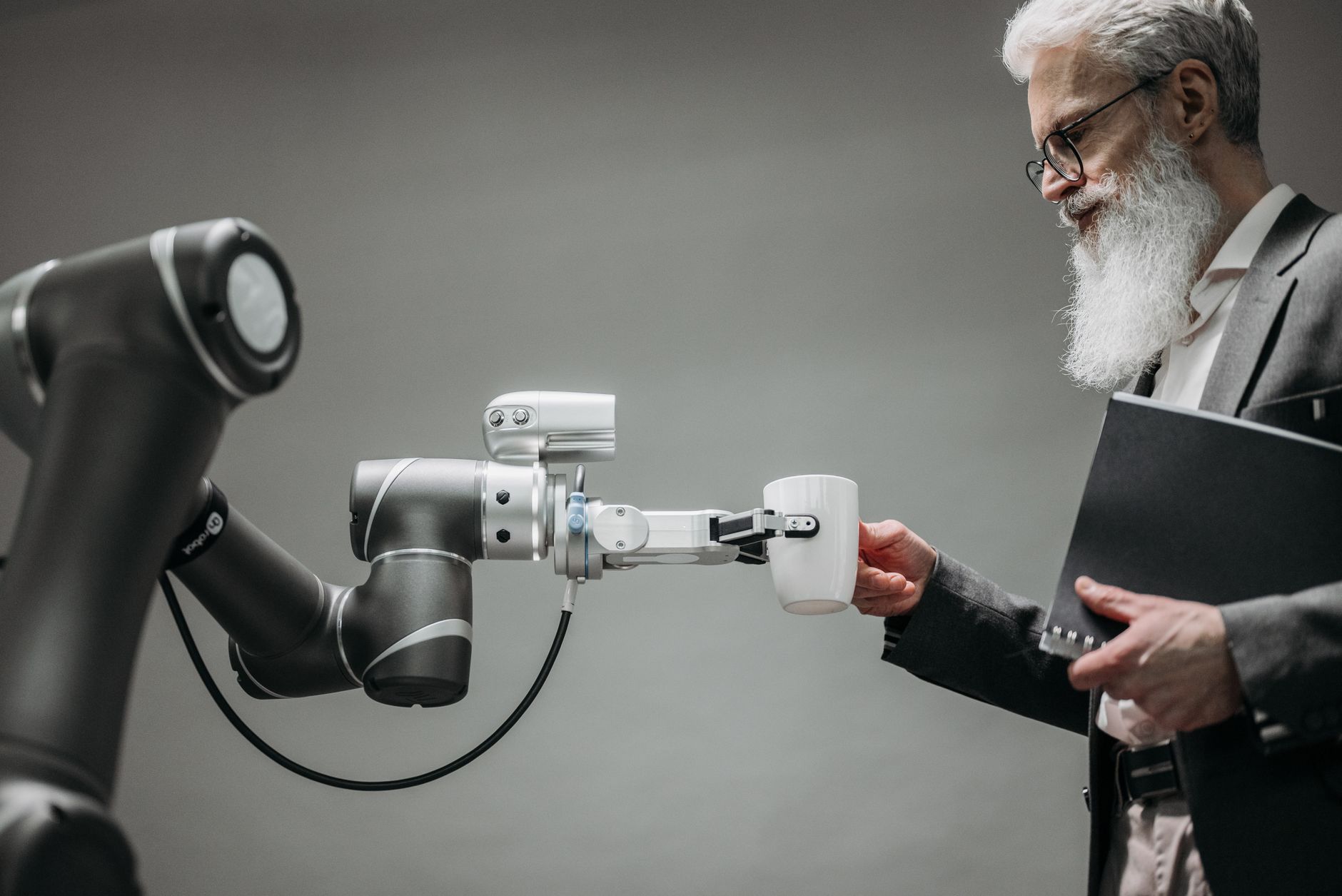
AI at Work: Shocking Ways It’s Revolutionizing Easy Tasks
Artificial Intelligence (AI) at work is no longer a futuristic concept relegated to sci-fi novels or tech conferences. It’s here, embedded in everyday tasks once thought too basic or trivial to automate. The shocking ways AI is revolutionizing easy tasks challenge traditional workflows, disrupt job markets, and force us to reconsider the role of human labor in the office. While some hail these changes as progress, others warn of consequences that could be more harmful than helpful.
The Surprising Scope of AI at Work
When discussing AI’s impact in professional environments, many imagine complex algorithms solving high-level problems or robots replacing factory workers. However, the truth is far more pervasive and unsettling: AI is quietly taking over simple tasks such as scheduling meetings, sorting emails, data entry, and even writing routine documents.
Consider scheduling assistants like x.ai or Clara, which automatically coordinate meetings, sending back-and-forth emails without human involvement. This convenience masks a broader trend toward dependence on AI tools for “easy” tasks that traditionally required very little skill but were essential for daily operations.
Automated data entry software, powered by machine learning, can process invoices, expense reports, and customer information at speeds and accuracy levels that far exceed human capability. Employees who used to perform these functions might now find themselves sidelined or pressured to reskill, highlighting an uncomfortable truth: the erosion of entry-level jobs.
How AI at Work Is Disrupting Office Dynamics
One shocking effect of AI revolutionizing simple tasks is the shift in power dynamics within organizations. When you remove or automate tasks once assigned to junior workers or administrative assistants, you inadvertently reduce their role’s perceived value, which can lead to layoffs or role diminishment.
On the other hand, this shift might appear entirely positive to upper management, who enjoy cost savings and higher efficiency. But it also fuels workplace inequality, as the benefits of automation tend to consolidate at the top, leaving lower-tier employees vulnerable. The question then becomes: Is AI at work lifting everyone, or just streamlining the workforce to favor a few?
Moreover, reliance on AI for simple tasks can create new problems. Automated email filters or smart assistants sometimes misinterpret nuances, causing communication breakdowns or missed deadlines. When AI makes “easy” tasks less reliable or less human, are we truly benefiting from this technological revolution?
Ethical and Psychological Implications
AI’s transformation of easy tasks also raises ethical concerns. For instance, when AI algorithms handle hiring processes by screening candidates’ resumes or conducting preliminary interviews, they might inadvertently reinforce biases present in the training data. The simplicity of the task masks a complex issue: fairness and human judgment being sidelined to favor efficiency.
Psychologically, employees might experience dehumanization or job dissatisfaction when machines handle mundane but meaningful tasks. Some find that performing easy, repetitive activities gives a sense of accomplishment, especially for new hires learning the ropes. The sudden takeover by AI could reduce human agency, making workers feel like mere overseers of algorithms rather than active contributors.
The Shocking Reality of Job Displacement
Perhaps the most controversial aspect of AI revolutionizing simple tasks is its direct impact on employment. Entry-level jobs, often the first stepping stone for many in the workforce, are at risk of disappearing. Without these roles, how will young workers or career changers gain necessary experience?
While proponents argue that AI creates new opportunities and allows humans to focus on creative, strategic work, the transition is neither immediate nor smooth. Many displaced workers face long periods of unemployment or must accept lower wages in unfamiliar roles.
Furthermore, the idea that humans should only do “complex” or “creative” tasks ignores the economic reality that all jobs, including “easy” ones, play a role in livelihoods and social stability. The shock isn’t just technological but human—whole communities and industries depend on jobs now vulnerable to AI replacement.
Conclusion: Proceed With Caution
AI at work is reshaping the landscape of everyday tasks in startling ways. It promises unprecedented efficiency but also presents formidable challenges that society cannot overlook. The automation of easy tasks doesn’t merely mean faster workflows; it signals a shift in power structures, job availability, and the nature of human engagement at work.
Ultimately, the conversation must extend beyond the capabilities of AI to include ethical considerations, economic impacts, and the preservation of human dignity in the workplace. The future of AI at work may be promising, but it is also fraught with controversial implications that demand honesty, transparency, and foresight from businesses, policymakers, and workers alike.