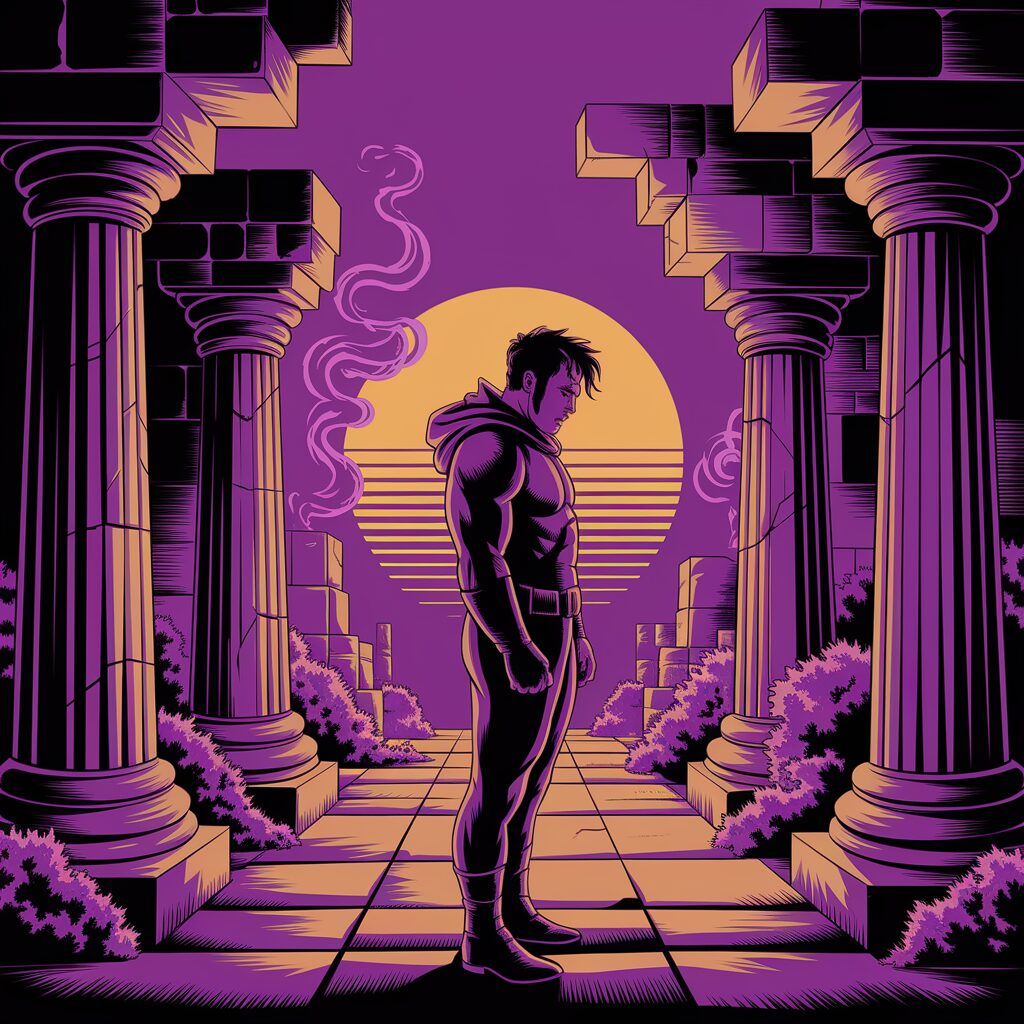
Antiheroes Exposed: The Stunning Truth Behind Their Dark Appeal
In today’s storytelling landscape, few figures captivate audiences quite like the antihero. Unlike traditional heroes who embody virtue and moral clarity, antiheroes operate in the gray zones of ethics, often embodying conflicting traits that challenge our perceptions of right and wrong. The antihero’s dark appeal is a cultural phenomenon that demands a closer look, especially as society grapples with increasingly complex ideas about morality, identity, and power.
What Makes Antiheroes So Intriguing?
At the core of the antihero’s allure is their profound imperfection. These characters are flawed, often deeply so, yet they remain compelling. This is no accident. In a world saturated with idealized heroes who always do the “right” thing, antiheroes offer a mirror to the nuanced realities of human nature. Their struggles, mistakes, and morally ambiguous choices resonate with audiences who recognize these traits within themselves or their environments.
Consider iconic figures like Walter White from Breaking Bad, Tony Soprano from The Sopranos, or Don Draper from Mad Men. These protagonists spark admiration and repulsion simultaneously, embodying traits that society often shuns but secretly understands. By revealing the darker facets of human nature, antiheroes invite viewers to question societal norms and the simplistic binaries of good versus evil.
The Psychological Underpinnings of Dark Appeal
The popularity of antiheroes can be partially explained through psychological theory. Carl Jung’s concept of the “shadow self” posits that everyone harbors a dark, often hidden side of their personality that they suppress or deny. Antiheroes represent that shadow in narrative form, allowing audiences to safely explore forbidden impulses and thoughts through a proxy.
This exploration is cathartic. It confronts individuals with their own imperfections and the complexity of human desires, without moral judgment. The antihero’s transgressions serve not only as entertainment but as a space for viewers to wrestle with their inner conflicts.
Society’s Shifting Morality and the Rise of the Antihero
Another angle to consider is how antiheroes reflect evolving social attitudes. As traditional institutions and authoritative figures face increasing skepticism, stories featuring morally ambiguous protagonists gain traction. Antiheroes often embody the distrust of rigid moral codes and challenge hegemonic power structures. Their defiance resonates in a world where people feel alienated by systemic injustices or corruption.
For example, shows like Dexter or House of Cards position their leads as outsiders operating within or against flawed systems, making morally questionable choices that viewers find fascinating precisely because they upend expectations. These narratives suggest that heroism need not be synonymous with sainthood, but rather with survival and adaptability in a flawed world.
The Danger of Glorifying Darkness
However, the dark appeal of antiheroes is not without controversy. Critics argue that these characters risk normalizing or even glamorizing destructive behavior, including violence, deceit, and moral compromise. When an audience empathizes with a character like Tony Soprano, does it lead to a dangerous blurring of ethical boundaries?
This concern is especially relevant in a society grappling with issues like systemic violence and ethical corruption. The question arises: does the celebration of antiheroes reinforce cynicism and desensitization? Or does it simply mirror an already cynical society?
Moreover, there is a gendered aspect to this discussion. The classic antihero archetype has historically been male, steeped in hypermasculine traits linked to power, control, and dominance. While contemporary narratives are expanding to include women antiheroes, the trope remains fraught with problematic associations that merit critique.
Antiheroes and Their Impact on Modern Culture
Despite the controversy, one cannot deny the extent to which antiheroes have reshaped modern narrative forms. They challenge traditional storytelling conventions by refusing neat resolutions or moral certainties. This creates richer, more unpredictable stories that engage audiences on a deeper intellectual level.
Importantly, the antihero’s semi-heroism also prompts reflection on personal ethics. By navigating moral ambiguity alongside these characters, audiences may develop greater empathy and understanding of how circumstances influence choices. In this way, antiheroes contribute to a more sophisticated cultural dialogue about right and wrong.
Conclusion: A Mirror and a Warning
The stunning truth behind the antihero’s dark appeal is that it stems from their ability to reflect our shadow selves and the complexities of the world we inhabit. They are neither outright villains nor flawless heroes but something in between—mirroring our contradictions and challenging our assumptions.
Yet, this dark appeal carries a warning: the line between empathy and endorsement can be dangerously thin. As antiheroes continue to dominate popular culture, we must remain vigilant in how we interpret their stories and what values they ultimately promote.
In exposing the antihero, we uncover not just characters but a cultural phenomenon that speaks to the unsettled moral terrain of our time. Their dark allure is a testament to our fascination with imperfection and the ongoing struggle to define what it truly means to be human.