World Cup Boycott: Exclusive Call Sparks Controversial Backlash
The notion of a World Cup boycott has recently reignited fierce debate across the globe, following an exclusive call that has sent shockwaves through the sports community and beyond. What began as a seemingly isolated plea from a few influential figures has mushroomed into a full-blown controversy, stirring passionate responses from athletes, fans, sponsors, and political leaders alike. This controversy exposes deeper questions about the power of sport, geopolitics, ethics, and the responsibilities of global fans.
The Genesis of the World Cup Boycott Call
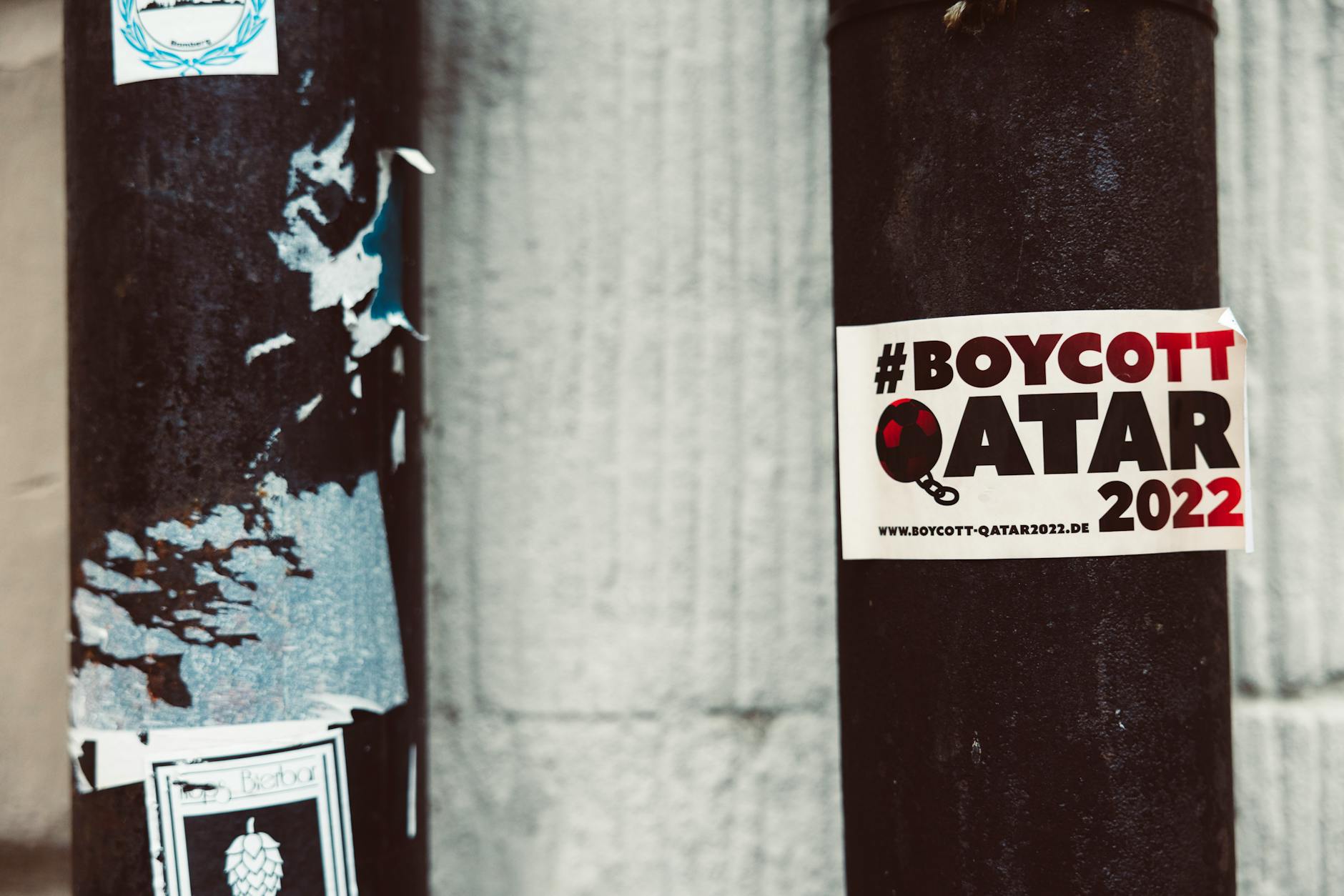
The exclusive call urging nations and key stakeholders to boycott the upcoming World Cup was catalyzed by growing concerns around human rights abuses in the host country, mounting environmental issues, and political tensions. Advocates argue that silence and participation at this global event serve as tacit endorsements of these troubling realities. The call specifically targets FIFA and the participating countries, urging them to reconsider their involvement.
Detractors, however, view the boycott as a misguided use of the sporting platform. Critics argue that athletes, many of whom train and sacrifice their entire lives for this moment, should not pay the price for political agendas. Moreover, some suggest that engagement rather than isolation could serve as a better diplomatic tool.
The Impact on FIFA and the Global Football Community
FIFA, long criticized for opaque decision-making and alleged corruption, faces renewed scrutiny. The boycott call threatens to undermine one of its cornerstone events, possibly jeopardizing billions in revenue and sponsorships tied to the tournament. This financial pressure opens up a debate on whether FIFA exercises sufficient corporate social responsibility or if it prioritizes money over morality.
Many football federations find themselves caught in the middle, weighing moral considerations against the dreams of their athletes. Some have publicly expressed support for the boycott, while others remain conspicuously silent, fearing repercussions or loss of influence within the global football hierarchy.
World Cup Boycott: Ethical Dilemma or Sport as a Political Tool?
One of the central contentions surrounding the boycott is whether sports should ever be politicized. Purists argue that football transcends politics and serves as a unifying global force. To them, boycotts dilute the essence of the sport and punish fans and players rather than lawmakers responsible for the issues.
Yet, history is replete with examples of political intervention in sports, from apartheid-era South Africa’s exclusion to boycotts of the Olympic Games during the Cold War. The World Cup boycott call has revived these debates, forcing fans and pundits to reckon with uncomfortable realities about global inequalities and ethics.
Fan Reactions: Divided Loyalties and Emotional Turmoil
Perhaps most startlingly, the fan base itself is split. Some fans have rallied behind the boycott as an opportunity to stand up for justice and push for change. Social media campaigns supporting the cause have gone viral, galvanizing younger generations who increasingly expect their heroes and institutions to take ethical stands.
On the other hand, a vast legion of fans view the boycott as a betrayal of sporting spirit. For many, the World Cup is the pinnacle of passion, pride, and identity; to disrupt it is seen as sacrilege. This faction warns that boycotts only alienate supporters and damage the cultural fabric linking nations worldwide.
The Future of World Events in a Politically Charged Climate
The fallout from the boycott call illuminates a broader trend: as the world grows more interconnected yet politically fragmented, global (Incomplete: max_output_tokens)