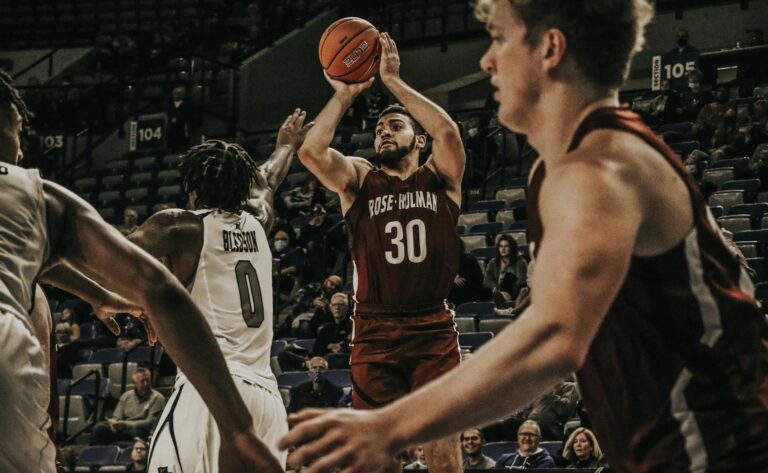
Sports 2026: Stunning Chaos or Best Year Ever for Fans?
The year 2026 is shaping up to be one of the most talked-about years in the history of sports, leaving fans around the world wondering: will it bring stunning chaos or be the best year ever for fans? With a jam-packed calendar featuring multiple marquee events, groundbreaking innovations, and shifting power dynamics among leagues and athletes, 2026 promises an explosion of excitement—and controversy—that could rewrite the very fabric of the sporting world.
A Jam-Packed Sports Calendar: Blessing or Curse?
One of the primary reasons 2026 is buzzing with anticipation is the sheer volume of high-profile sports events slated for the year. From the FIFA World Cup co-hosted by Canada, the United States, and Mexico, to the Winter Olympics in Italy, and a host of major tennis, basketball, and motor racing events, fans will have more to watch than ever before. While this abundance might seem like a dream come true, it also raises controversial questions: is overload diluting the passion for each event? Could the relentless schedule lead to fan fatigue or even burnout among athletes?
Critics argue that the sports calendar risks becoming a chaotic free-for-all, with broadcasters and organizers squeezing every possible moment for profit, leaving little room for the natural ebb and flow that fans cherish. Meanwhile, proponents say the packed schedule offers unprecedented opportunities for global engagement and economic growth within sports industries. The debate is far from settled.
The Technological Revolution: Enhancing or Ruining the Experience?
2026 is also expected to be a landmark year for technology integration in sports. Innovations like AI-driven instant replays, advanced biometric monitoring, and immersive virtual reality viewing options are pushing the boundaries of how fans interact with their favorite games and athletes. However, this technological surge is not without controversy.
Detractors claim that overreliance on tech can disrupt the authenticity of live sports, turning games into overanalyzed spectacles stripped of their natural spontaneity. The example of controversial instant replay decisions altering game outcomes has long divided fanbases and experts alike. Who benefits when every moment is scrutinized through the lens of a machine? Supporters insist these technologies increase fairness and connection, offering fans multi-layered perspectives never before possible.
Athlete Activism and Its Impact on Fan Experience
Another equally divisive element of 2026 is the continued rise of athlete activism. From social justice causes to environmental advocacy, athletes are using their platforms more than ever to champion issues beyond the playing field. While some fans applaud these efforts as courageous and necessary, others believe sports should be a refuge from politics. This ideological clash threatens to create stunning chaos in fan communities, as debates over ‘sportsmanship’ versus ‘social responsibility’ intensify.
Moreover, certain leagues have faced backlash for either supporting or suppressing athlete activism, placing sports organizations in a precarious position. Will 2026 be the year that sports finally embrace their role as cultural change agents, or the year divisions between players and fans widen irreparably?
League Expansions and Player Movement: A New Era of Uncertainty
In 2026, major sports leagues across the globe are expected to follow through on ambitious expansion plans and witness blockbuster player movements. This period of rapid change is thrilling for fans who crave new rivalries and superteams, but it also ignites fierce debate about tradition and loyalty.
Longtime supporters often lament that franchise relocations and frequent trades threaten the (Incomplete: max_output_tokens)
About the Author