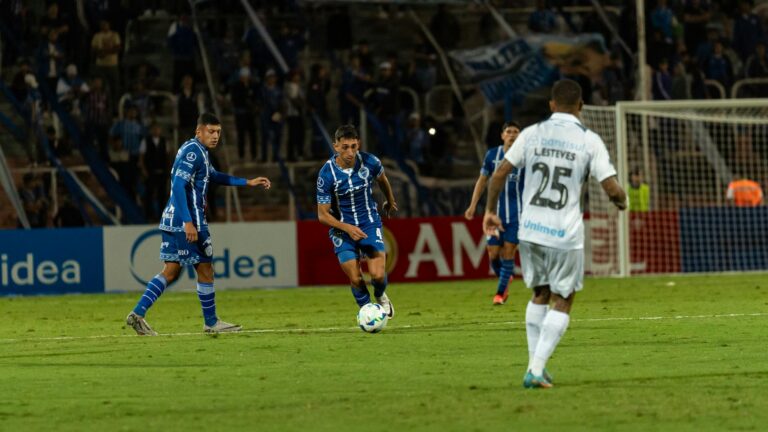
NFL Christmas Games: Stunning Loss of Star Power Dims Excitement
NFL Christmas games have traditionally been one of the highlights of the holiday sports calendar, offering fans thrilling matchups and electrifying performances under festive lights. Yet, recent seasons have revealed a troubling trend: a stunning loss of star power that threatens to dull the spectacle and erode the unique excitement surrounding these holiday contests. What was once an eagerly anticipated tradition now feels, for many, like a hollow shadow of its former self.
The Decline of Star Power in NFL Christmas Games
The appeal of any NFL game—especially one staged on a special occasion like Christmas—has always hinged on marquee players drawing casual viewers and hardcore fans alike. Legends like Tom Brady, Patrick Mahomes, and Aaron Rodgers have typically turned standard holiday fixtures into must-watch events. However, recent clashes have been surprisingly absent of household names, leaving the games feeling more like end-of-season filler than prime-time sports celebrations.
Several factors contribute to this decline. First, the NFL has become increasingly strategic about player rest and injury prevention, particularly around the holiday season. With the playoffs looming, many star players are carefully managed or even sidelined if there’s any concern over their health. Teams prioritize long-term goals over short-term spectacle, which inevitably impacts the lineup on Christmas Day.
Simultaneously, the shifting NFL schedule—with the introduction of additional Monday and Thursday night games and the controversial expansion of the regular season—has scattered highly anticipated matchups across more dates. This dilution means fewer blockbuster battles get reserved for Christmas, further eroding the star-studded charm that was once guaranteed.
How This Erodes Fan Excitement
The emotional and cultural resonance of NFL Christmas games stems from their ability to blend the joy of the holidays with thrilling athletic competition. But when fans tune in and find a lackluster game featuring lesser-known rosters or sidelined superstars, the festive spirit quickly fades. Longtime viewers express disappointment, calling the games “anticlimactic” or “forgettable,” which risks diminishing the audience altogether.
Moreover, the holiday season is a perfect time for fans who don’t regularly watch football to gather around the TV. Without high-profile names or contentious rivalries on display, casual viewers miss out on the excitement that turns a football game into a shared cultural event. This, in turn, impacts ratings and advertising revenue, creating a feedback loop that may further disincentivize marquee matchups during Christmas.
The NFL’s Responsibility and Potential Solutions
The NFL, as the league that controls the schedule, bears a significant responsibility in reinvigorating the holiday experience. Fans are clamoring for an authentic, star-studded Christmas showcase, not a game that feels like an afterthought. Prioritizing top teams and marquee players in this time slot could restore the magic.
One radical yet potentially effective approach would be for the NFL to designate the Christmas Day game as an annual marquee event, similar to the Thanksgiving Day matchups. This could mean guaranteeing at least one clash featuring top-ranked teams or household names, ensuring star power is never absent. The league could also consider incentives for players who participate fully in Christmas games, balancing the desire for rest with the spectacle’s importance.
A Cultural Shift or a Temporary Phase?
Some critics argue that the apparent decline in star power on Christmas games is just a reflection of broader changes in sports consumption and player management rather than a permanent trend. They point out that the NFL (Incomplete: max_output_tokens)
About the Author