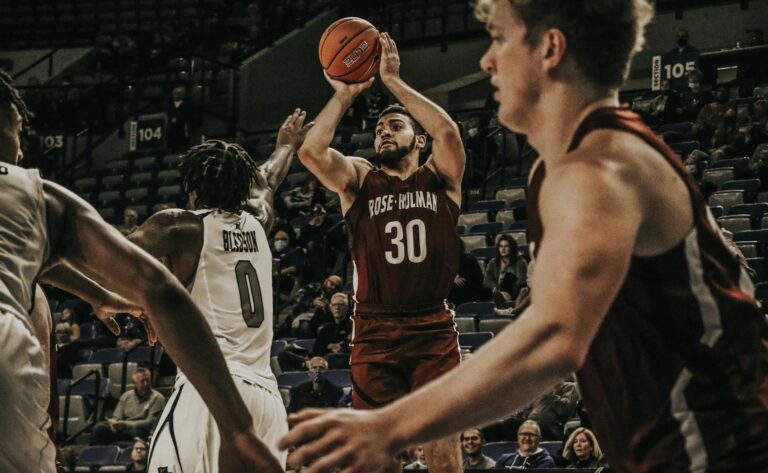
Marco Rubio’s Stunning Rumor Shut Down: Dolphins’ Next Coach?
In the world of sports and politics, few rumors gain traction as rapidly as the latest buzz suggesting that Senator Marco Rubio could be the Miami Dolphins’ next head coach. This astonishing speculation caught many by surprise, intertwining the often separate spheres of American football and political leadership in an unprecedented way. Despite the initial shock and a wave of social media frenzy, Rubio’s stunning rumor was promptly shut down, yet it leaves behind an intriguing conversation about the blending of public figures from vastly different arenas and the media’s penchant for sensationalism.
How Did the Idea of Marco Rubio as Dolphins’ Next Coach Emerge?
The rumor gained momentum from a vague tweet by a supposedly insider sports analyst who hinted at a “high-profile Miami icon” stepping into a leadership role with the Dolphins amid coaching staff shakeups. Football fans and political observers alike quickly connected the dots—named veteran politician and Miami native, Marco Rubio. The suggestion was offbeat, almost absurd, which only fueled its popularity.
What made this so sensational wasn’t Rubio’s known involvement with sports fandom or local Miami enthusiasm but rather his complete lack of professional experience in football coaching. The rumor echoed a sense of frustration and desperate hope among Dolphins fans following a series of underwhelming seasons. The team’s supporters, eager for a fresh start, seemingly seized on the absurdist fantasy of a prominent figure like Rubio swapping the Senate floor for the football field.
The Impact of Mixing Politics and Sports Leadership
The rumor, though baseless, touched on a broader societal phenomenon: the blurred line between politics and celebrity culture. Public figures today transcend their traditional domains, and their influence often stretches into unexpected areas like entertainment, sports, and business. However, marrying the serious responsibilities of a United States Senator with the highly specialized role of an NFL head coach seems not just impractical but dangerously simplistic.
Sports teams require leaders deeply familiar with the nuances of the game, strategic planning, player management, and physical training—areas far removed from the legislative skills Rubio exercises in the Senate. This contrasts starkly with Rubio’s political background, centered on governance, lawmaking, and diplomacy. The idea, while entertaining, reduces the complexity of sports leadership and risks trivializing political roles.
Why Was Marco Rubio’s Stunning Rumor Shut Down So Quickly?
Rubio’s office was prompt in issuing a statement dismissing the rumor as “completely false and without merit.” Representatives emphasized the senator’s unwavering commitment to his political duties and his lack of professional football experience. The Dolphins organization also declined to comment, implicitly distancing themselves from the unsubstantiated chatter.
This rapid denial underscores a crucial lesson in today’s fast-paced rumor mill: sensational news items (or “fake news”) spread quickly but can also be quashed just as swiftly with official clarifications. It reminds the public to maintain healthy skepticism and avoid impulsive judgment fueled by viral misinformation.
What Does This Incident Reveal About Modern Media Consumption?
The Marco Rubio-Dolphins coaching rumor is emblematic of the current media ecosystem where headlines and buzzwords often overshadow facts. In the age of viral tweets, memes, and clickbait, stories that combine unexpected elements—politics with sports, serious figures with quirky scenarios—stand a high chance of going viral irrespective of their truthfulness.
Such incidents reveal a voracious appetite for novelty and sensationalism, sometimes at the expense of credibility and critical thinking. They also reflect a pop culture tendency to myth (Incomplete: max_output_tokens)
About the Author