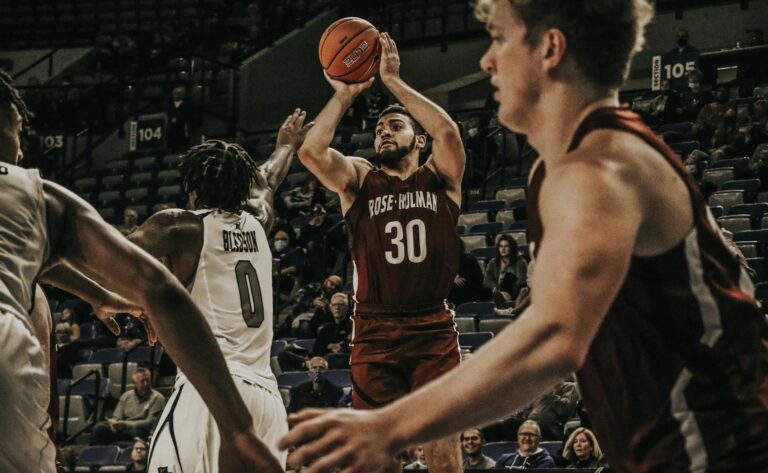
Kai Trump Surgery Shocker: Exclusive Fix for Painful Wrist Injury
Kai Trump’s recent wrist injury has sent shockwaves through the sports and entertainment worlds alike. The young phenom’s unexpected surgery has left fans, critics, and medical experts buzzing about the nature of his condition and the choice of treatment. This incident raises broader questions about whether such aggressive interventions are always necessary, or if they sometimes reflect alarming trends in modern medicine, especially when it comes to athletes.
Unpacking the Kai Trump surgery shocker
When news broke about Kai Trump undergoing surgery for what was described as a “painful wrist injury,” there was an immediate surge of concern. Wrist injuries are notoriously tricky, impacting everything from basic mobility to high-performance athletic function. Yet, what has ignited controversy is not just the injury itself but the surgical fix employed.
Insiders reveal that Kai Trump’s wrist damage was initially underestimated by his trainers and even some medical professionals. Conservative treatments—rest, physical therapy, bracing—were reportedly attempted before opting for surgery. What many are questioning is the timeline and necessity of moving toward an invasive procedure rather than longer-term conservative management.
The nature of wrist injuries in young athletes
Wrist injuries are common among young athletes engaged in high-intensity sports. They range from repetitive strain injuries and sprains to ligament tears and fractures. Studies have consistently emphasized the importance of tailored, non-surgical interventions first, especially in growing athletes. Early surgery can sometimes lead to complications down the line, including stiffness, chronic pain, or impaired joint function.
Kai Trump’s case is controversial precisely because it appears to break from this cautious approach. Critics argue that rushing towards surgical repair could betray a broader culture of pushing young athletes too hard, too fast—often for short-term gains rather than long-term health.
Surgery as the ‘exclusive fix’—is it justified?
The phrase “exclusive fix” has become a buzzword surrounding Kai Trump’s surgery. Some commentators suggest that surgery was framed as the only viable solution, sidelining alternative treatments that might have been less intrusive. This stance is contentious because it touches on a larger debate within orthopedic and sports medicine fields: the threshold for surgery.
While surgical reconstruction or repair can indeed be necessary and life-changing for certain injuries, it is not without risks. An overreliance on surgery can lead to overtreatment, unnecessary complications, and even psychological distress in young patients. For Kai Trump, this raises the question — was surgery the unequivocal best path, or a medically motivated decision influenced by the pressure to expedite his return to performance?
The ethical dilemma surrounding athlete surgeries
One cannot discuss the Kai Trump surgery shocker without addressing the ethical concerns wrapped up in athlete healthcare. Young stars often face immense pressure to resume competition quickly, leading to decisions that prioritize short-term recovery over holistic wellness. Coaches, agents, and sometimes even family members may influence medical choices, subtly or overtly pushing for quicker fixes.
This environment potentially fosters a system where surgeries are too readily recommended. The risks of premature surgery for athletes—from decreased joint longevity to ongoing pain—are well documented, yet the urgency to avoid downtime can sometimes overshadow such facts.
Lessons from the Kai Trump saga: What fans and patients should know
Beyond the sensationalism, Kai Trump’s injury and subsequent surgery shine a spotlight on the need for balanced, evidence-based treatment approaches. Patients and families should feel empowered to ask tough questions about the necessity, timing, and alternatives to surgery. For athletes, (Incomplete: max_output_tokens)
About the Author