Indiana Football Star’s Stunning Sacrifice: Why Dating Took Back Seat
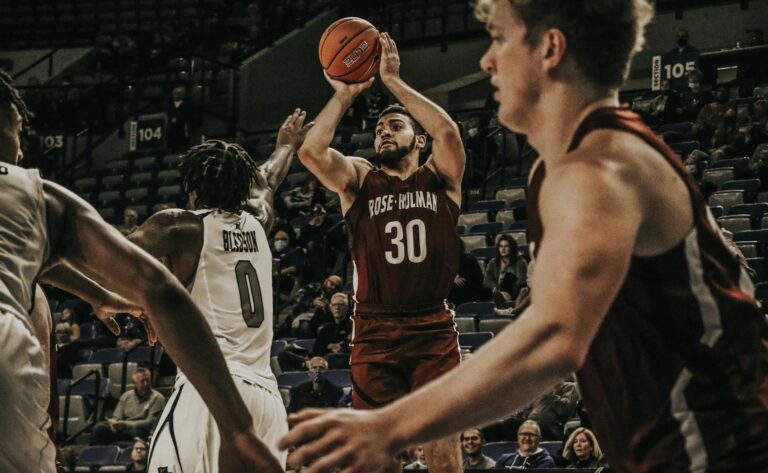
In the high-stakes world of college football, few stories resonate as deeply as that of an Indiana football star whose personal life took a back seat to the game—and for reasons that might surprise many. While fans are accustomed to hearing about the physical sacrifices athletes make on the field, it’s the less visible, emotional sacrifices off the field that often paint the most compelling picture of dedication. This athlete’s decision to pause his dating life underscores a broader dialogue about priorities, mental health, and the sacrifices demanded by elite sports.
Commitment Beyond the Field
The landscape of college football is notoriously grueling. From dawn workouts to late-night strategy sessions, athletes live on a relentless schedule that leaves little room for “normal” social interactions. For this Indiana football star, the clock seemed to tick louder with every practice, every game, and every offseason conditioning routine.
Dating, a typical rite of passage for many young adults, surprisingly found itself relegated to the sidelines. At first glance, some might dismiss this choice as a simple consequence of time constraints. However, the implications run deeper. The Indiana football player’s conscious decision to place his romantic life on hold was not merely about scarcity of time—it was about full immersion in a sport that demands total focus and often exploits the vulnerability of young bodies and minds.
The Cultural Pressure to ‘Have It All’
There is an unspoken expectation in collegiate sports: excel in every aspect of life, from athletic prowess to academic achievement to social life. This multifaceted pressure cultivates an environment where athletes are often expected to “have it all,” juggling intense training schedules while maintaining a public persona that appeals to fans and recruiters alike.
For the Indiana football star in question, attempting to maintain an active dating life might have seemed like a distraction, or worse, a liability. Dating, with its emotional highs and lows, could interfere with the razor-sharp concentration needed on playbooks and meets. Moreover, relationships can add stress, and the specter of heartbreak or drama risks compounding the already intense pressure cooker atmosphere.
Sacrifice or Self-Preservation?
Critics might argue that postponing personal relationships in favor of sport reflects an unhealthy obsession. Isn’t there a danger in prioritizing a temporary athletic career over the formation of meaningful human connections? This debate taps into a larger controversy: Are athletes sacrificing too much of their youth and emotional well-being for fleeting glory?
Yet, supporters of such sacrifices maintain that athletes at this level must sometimes choose self-denial for higher purpose. The opportunity to shine on a national stage, secure a professional contract, or gain a scholarship requires laser focus and often comes at a cost. From this perspective, the Indiana football star’s deliberate choice to take dating off the table is less about renouncing love and more about self-preservation—a temporary suspension to better secure a future.
Mental Health: The Elephant in the Locker Room
Amid the conversation about dedication and sacrifice, the topic of mental health inevitably surfaces. The stigma surrounding emotional vulnerability in sports is slowly eroding, but many athletes still feel compelled to present a stoic front.
Avoiding complex romantic entanglements could also be a coping mechanism for managing mental health. Emotional investments might sway focus or add an unpredictable variable during one of the most intense pressures of an athlete’s life. For this Indiana football star, stepping away from dating might be a strategic move to protect and stabilize mental wellness, avoiding potential (Incomplete: max_output_tokens)
About the Author