Heated Rivalry Actors’ Stunning Olympic Role Sparks Debate
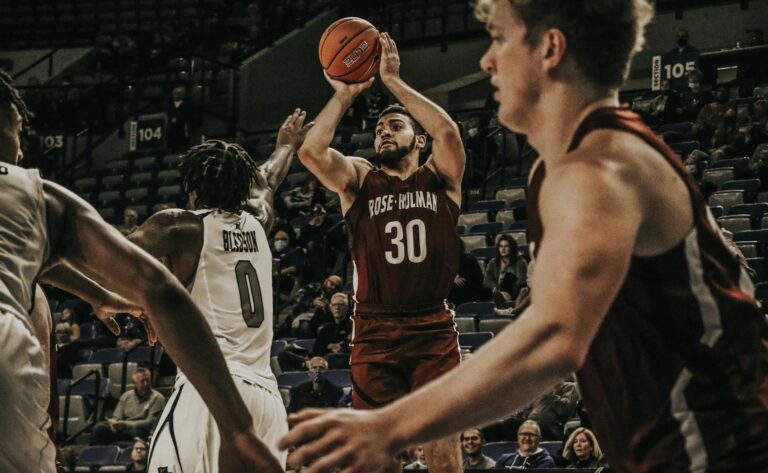
The world of sports and entertainment collided spectacularly when heated rivalry actors stepped onto the Olympic stage, not as competitors, but as celebrated athletes and ambassadors. This unexpected crossover has sparked intense debate across social, cultural, and even political spectrums. What at first seemed like a dazzling fusion of two powerful industries has quickly evolved into a heated discussion about authenticity, professionalism, and the essence of the Olympics themselves.
When Hollywood Meets the Olympic Flame
It’s no secret that actors with long-standing rivalries have captivated audiences worldwide for decades. Their feud, often played out in movies, interviews, and social media, has created a narrative as gripping as any fictional script. However, their recent involvement in the Olympics has caught many off guard. Sweeping away the line between performance art and athletic competition, these actors have taken on Olympic roles ranging from torchbearers to commentators, and, more controversially, competitors in exhibition events.
Traditionally, the Olympics celebrate the pinnacle of human physical achievement, a stage reserved for athletes who dedicate their lives to pushing the boundaries of sports. The arrival of these rivalry actors, some with minimal or no formal athletic training, has led to questions about the sanctity of the Games and the message it sends to genuine athletes and fans.
The Debate Over Authenticity and Intent
Critics argue that involving high-profile actors with notorious rivalries cheapens the competitive spirit of the Olympics. They say it shifts attention away from the athletes who have trained tirelessly to compete and instead emphasizes celebrity spectacle. In this view, the presence of these actors is less about sport and more about entertainment, turning the Olympics into an extravagant show rather than a pure contest of abilities.
Supporters, however, see this fusion as an innovative way to bring a fresh audience to the Olympics. The captivating drama between these actors, combined with the excitement of international competition, generates unprecedented media coverage and public interest. The rivalry, they claim, adds storytelling to sport, making the event more relatable to casual viewers who might not otherwise follow athletics.
Yet, many remain skeptical. The question lingers: Are these rivalry actors truly representing the Olympic spirit, or are they capitalizing on the platform for personal gain? The Olympics have always professed values such as excellence, respect, and friendship. Critics contend that the manufactured drama of rivalries, whether genuine or staged, contradicts these ideals, fostering conflict instead of unity.
Impact on Athlete Morale and Public Perception
One of the most significant points of contention lies in the impact on athletes themselves. Professional Olympians often train for years, sacrificing their personal lives for fleeting moments of competition. The spotlight shifting to actors—sometimes overshadowing actual medal contenders—has been met with frustration by some athletes.
Several sports figures have spoken out, expressing concern that the inclusion of rivalry actors blurs the lines and may undermine the credibility of Olympic athletes. They worry that the public and sponsors might begin to value celebrity drama over athletic skill, potentially affecting funding, support, and the overall legacy of the Games.
On the flip side, many athletes have welcomed the increased media attention. Some see it as an opportunity to showcase their sports to broader audiences and find new fans inspired by the drama these actors bring. The debate remains unsettled, with opinions varying widely across disciplines and cultures.
Cultural Reflections and the Future of the Olympics
The heated rivalry actors’ stunning Olympic role also reflects broader cultural shifts. In the era (Incomplete: max_output_tokens)
About the Author