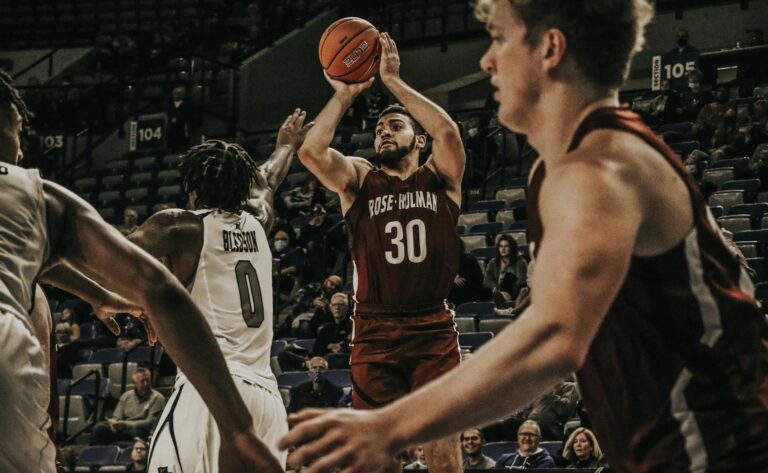
Hawaii Cal Brawl: Stunning Yet Costly Comeback Victory Explored
The Hawaii Cal Brawl was nothing short of a rollercoaster ride, showcasing a stunning yet costly comeback victory that has left fans, analysts, and players alike immersed in controversy. What began as a routine college basketball game quickly spiraled into a spectacle filled with drama both on and off the court. While many celebrate the seismic upset executed by Hawaii against California, a closer look reveals that this hard-fought triumph came with serious consequences—ones that challenge the very nature of competitive spirit and sportsmanship in college athletics.
The Dramatic Turnaround: A Glimpse Into the Hawaii Cal Brawl
The story of the comeback cannot be told without first acknowledging how far California had dominated the early moments of the game. By halftime, Cal led by a seemingly insurmountable margin, boasting impeccable teamwork and scoring efficiency that made a Hawaiian comeback look like a pipe dream. However, the second half introduced a Hawaii team fueled by near-maniacal energy and perhaps a bit of desperation.
This energy swiftly translated into aggressive offensive plays and high-pressure defense that disrupted Cal’s rhythm. As the minutes ticked down, what began as a one-sided affair evolved into one of the most thrilling finishes in recent college basketball memory. Hawaii’s players, guided by a relentless coaching staff, seized control, eventually clinching a victory that stunned everyone in attendance.
But amid the cheers and elation, it became clear that the win came at a high cost.
Physical and Emotional Toll Behind the Comeback
Unlike typical game narratives centered on skill and strategy, the Hawaii Cal Brawl was also marred by physical altercations and intense foul play, trauma that raised serious questions about the price of such victories. Several players from both teams faced injuries—some severe—after clashes that went beyond the sport’s usual physicality.
Observers noted that the heightened emotions, amplified by the “brawl” atmosphere, created an environment where adrenaline blurred the boundaries between tactical aggression and outright violence. Critics argue that such intensity, while contributing to adrenaline-pumping action, also fosters dangerous precedents for future matchups. Does winning justify the escalation of hostile confrontations? This remains a hotly debated question.
Impact on Team Dynamics and Future Performance
The immediate euphoria of the upset win soon gave way to visible cracks within the Hawaii roster. Key players, who heroically pushed through injuries during the game, found themselves sidelined in subsequent matches. The team’s depth was tested, and their performance noticeably declined as a result.
Meanwhile, California, while licking wounds, used the loss as a wake-up call, addressing internal discipline and strategy flaws with renewed vigor. Some analysts suggest that the physical and psychological scars the brawl left on Hawaii could undermine their championship aspirations for the season.
The Ethical Debate Surrounding the Brawl
Beyond the action on the hardwood lies a larger ethical debate fueled by the contentious nature of the game. The Hawaii Cal Brawl forced the NCAA, fans, and institutions to confront uncomfortable questions about sportsmanship, player safety, and the ethos of college sports.
Should such intense rivalries that escalate into fights be celebrated, or should they be condemned? Some argue that the brawl reflects the passion and intensity college sports strive to embody, capturing raw human emotions and competitive fire. Others warn that glorifying such incidents sends a harmful message, encouraging reckless behavior in pursuit of glory. (Incomplete: max_output_tokens)
About the Author