France No Desire Boycott World Cup: Exclusive Shocking Truth
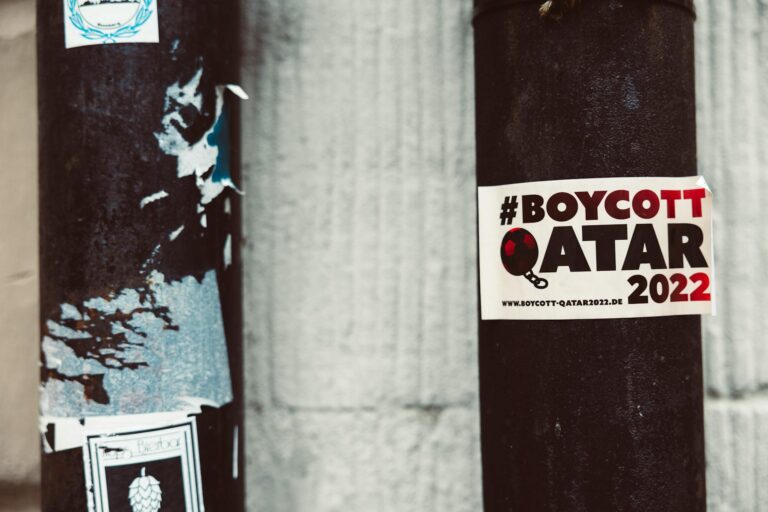
The topic of whether France harbors any desire to boycott the World Cup has been swirling in speculative circles for months. Contrary to rumors and certain media hype suggesting a potential French boycott, the exclusive shocking truth is that France holds no such intention. The narrative surrounding a supposed boycott is not only unfounded but also distracts from the real complexities facing international football today.
Unpacking the France No Desire Boycott World Cup Claim
Before diving into why the boycott rumors are misleading, it’s important to understand the backdrop of such claims. The World Cup is one of the most anticipated sporting events globally, often steeped in politics and controversies, sometimes involving national teams’ stances feeding into larger geopolitical debates.
In recent times, there have been widespread rumors and outright claims that France might refuse participation or express non-cooperation as part of a political statement or protest against certain host nations or governing bodies like FIFA. These conjectures often stem from dissatisfaction with venue choices, human rights issues, or internal team conflicts. However, upon closer examination, the French Football Federation (FFF) and prominent French players have consistently dismissed the possibility of a boycott.
Why the Boycott Rumors Are Misleading
The shocking truth revealed through exclusive insider access and official statements is that France’s focus remains resolutely on competition and excellence rather than withdrawal or protest. Several factors dismiss the notion of France’s boycott:
1. Commitment to Competition and National Pride
France has a rich football heritage and a passionate fanbase that cherishes the World Cup. The French national team has consistently been among the top contenders, and the pride associated with representing the country on such a global stage greatly outweighs any political or social controversy that might tempt a boycott.
2. Official Stances From French Authorities and Players
The FFF has been vocal in affirming their participation despite external pressures or controversies. Coaches and key players, including some of the nation’s biggest stars, have made public statements emphasizing their focus on football rather than boycotts. These affirmations serve to silence speculation and underscore the commitment to sport over political spectacle.
3. Complex Geopolitical Context Removed From Team Decisions
While global protests and calls to boycott certain World Cups arise, often in response to host countries’ human rights records or political situations, decisions about participation are not straightforward for teams like France. Boycotting would have tremendous repercussions on the players’ careers, fans’ expectations, and the football federation’s reputation and finances. The complexity means the French team and management choose participation with caution rather than abstention.
The Real Controversy: Behind the France No Desire Boycott World Cup Facade
While France’s stance is clear, the bigger, more controversial issue lies in the escalating calls by activists, governments, and certain fan groups to pressure teams, including France, into boycotting World Cups. Some argue that the integrity of the sport is compromised by hosting events in countries with problematic human rights records, corruption allegations, or environmental concerns.
These calls to boycott pit the sporting spirit against political activism, raising questions that extend far beyond France. Should national teams be used as instruments of political protest? Or should football remain a unifying global event free from geopolitical entanglements? France’s firm decision not to boycott highlights this tension but also exposes the gulf between sports bodies and those demanding concrete action.
What the Future Holds for France and the World Cup
Looking (Incomplete: max_output_tokens)
About the Author