Charlie McAvoy Heated Rivalry: Exclusive Yet Harmful for Inclusivity
In the world of professional sports, rivalries have always been a source of entertainment, motivation, and passion. However, the Charlie McAvoy heated rivalry has sparked a unique controversy that brings to light a crucial, often overlooked issue: exclusivity versus inclusivity in sports culture. While rivalries are traditionally celebrated for driving competition and fan engagement, this particular feud exposes the darker side of exclusivity, revealing how it can inadvertently hinder inclusivity, alienating groups that should otherwise feel welcome in the arena.
The Nature of Charlie McAvoy’s Heated Rivalry
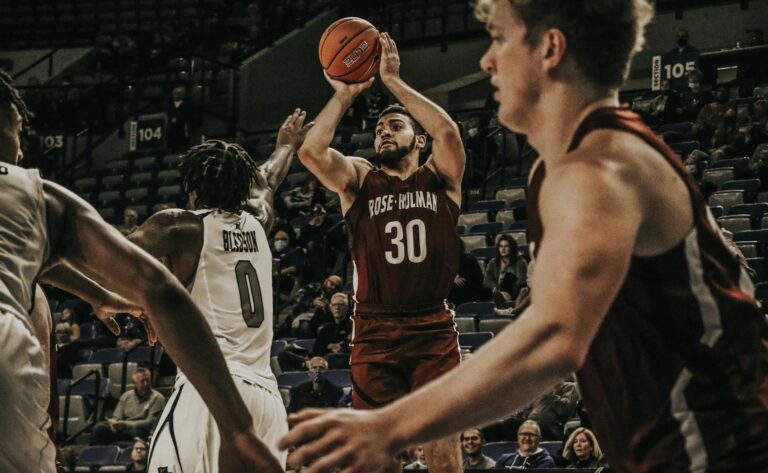
Charlie McAvoy, a talented defenseman known for his aggressive style and tenacity, has found himself embroiled in a rivalry that goes beyond the usual team competition. It isn’t just the on-ice battles that have fueled tensions; it’s the off-ice atmosphere, the fan culture, and even media coverage that have amplified the divide. McAvoy’s confrontations with certain rivals have become symbolic of a broader narrative—where loyalty to restricted circles and tribal fandom often overshadow the inclusive spirit that sports ideally promote.
This rivalry thrives on a backdrop of intense personal clashes, strategic hostility, and fan loyalty that occasionally crosses the line into exclusionary attitudes. The problem arises when this exclusivity, intended to cultivate passionate support, morphs into a banner under which only certain identities or groups feel welcomed or validated.
How Exclusivity in Rivalries Undermines Inclusivity
Sports rivalries historically provide a sense of identity, engendering strong emotional connections among fans. Yet, when those rivalries embrace exclusivity, they risk becoming barriers to inclusivity. The McAvoy rivalry offers a vivid example. Certain fan groups surrounding this rivalry have developed an “us versus them” mentality that alienates newcomers, casual fans, and marginalized groups who seek a safe and welcoming community within hockey.
In McAvoy’s case, this rivalry sometimes manifests not only in hostility directed towards opposing players but also toward segments of the fan base—particularly those advocating for greater diversity and acceptance in hockey. Where inclusivity movements aim to broaden hockey’s appeal beyond traditional demographics, the rivalry often galvanizes conservative fan factions resistant to change, inadvertently pushing progressive members away.
Moreover, the exclusive culture around this rivalry can reinforce stereotypes, discourage open dialogue, and perpetuate microaggressions. For young fans and players from underrepresented backgrounds, this creates an environment where they might feel pressure to conform to prevailing norms or avoid engagement altogether for fear of backlash.
Media’s Role in Amplifying the Divide
The media coverage of McAvoy’s heated rivalry has contributed significantly to this exclusionary atmosphere. Sensational headlines and dramatic narratives tend to glorify conflict, emphasizing divisiveness rather than common ground. As a result, the coverage often frames the rivalry as a battle between entrenched camps, sidelining stories of unity or shared respect.
This binary framing not only sells more stories but also ingrains rigid identities among fans. By celebrating only the most intense moments of clash—hits, fights, on-ice scuffles—the media fuels a culture where fans and players feel pressured to adopt aggressive postures. This, in turn, constrains the diversity of experiences and expressions that could otherwise enrich the hockey community.
The Larger Impact on Hockey’s Inclusivity Crisis
Hockey has long struggled with inclusivity, particularly regarding race, gender, and socioeconomic status. (Incomplete: max_output_tokens)
About the Author