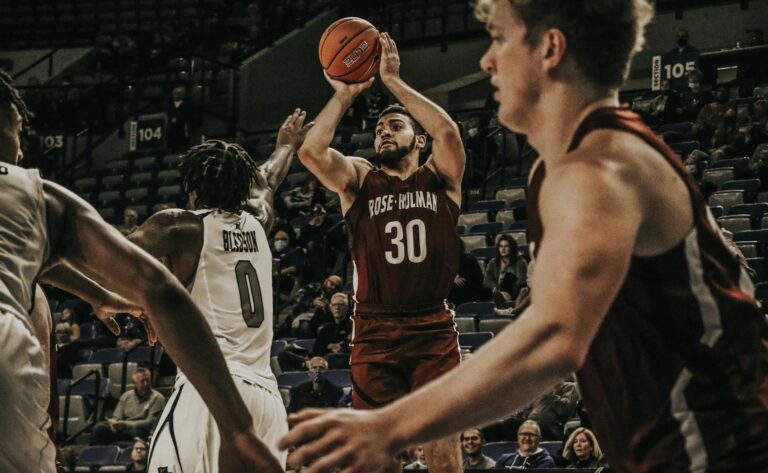
Cardinals Shocking Firing Sparks Intense Social Media Backlash
The Cardinals shocking firing has sent shockwaves throughout the sports community, igniting a fierce debate on social media platforms and beyond. When a team as storied and respected as the Cardinals makes a sudden and unexpected decision to part ways with a key figure, fans and analysts alike are bound to question the motives and consequences. This recent move, however, has gone beyond routine sports chatter—spurring a widespread, intense backlash that highlights deeper issues within the franchise and the larger world of professional sports management.
The Context Behind the Cardinals Shocking Firing
To understand why the firing triggered such a vehement reaction, it is essential to grasp the context surrounding the decision. The individual ousted—a beloved coach/executive/player—had cultivated a strong rapport with fans and the team alike. Their tenure was marked not only by impressive statistics but also by a cultural impact that extended beyond mere wins and losses.
When the Cardinals management dropped the bombshell, they cited vague “internal differences” and a desire to “reshape the team’s future.” Yet, many see this as a thinly veiled attempt to divert attention from deeper organizational problems. Critics argue the firing was impulsive, lacking transparency, and detrimental to team morale. For fans who had invested emotionally and financially, it felt like a betrayal, sparking an uproar on Twitter, Instagram, and Facebook.
Social Media’s Role in Amplifying the Backlash
Social media has transformed how sports news is consumed and discussed. In the case of the Cardinals, these platforms became digital town squares where thousands expressed confusion, disappointment, and outrage. Hashtags related to the firing trended nationally within hours, showing the widespread discontent.
Some users applauded the fired person’s contributions and questioned the integrity of the team’s leadership. Others speculated about internal politics, suggesting that personal conflicts or hidden agendas were at play. Memes, opinion pieces, and viral video compilations celebrating the fired individual flooded platforms, underscoring the passion and frustration of supporters.
However, the social media buzz wasn’t limited to fans; former players, sports analysts, and even celebrities joined the conversation. This multi-layered discourse exposed the complexities involved with leadership changes in high-profile sports franchises and how such decisions reverberate far beyond a locker room.
What This Means for the Cardinals’ Future
The Cardinals’ management now faces an uphill battle to repair its public image and rebuild trust with the fanbase. Historically, reactive firings have seldom resulted in long-term success when not paired with transparent communication. With morale shaken and unity disrupted, the team must tread carefully to avoid further alienation.
Moreover, this incident raises critical questions about the criteria and processes used for decision-making within professional teams. Is the Cardinals’ current leadership focused on short-term optics instead of sustainable progress? Could this firing signal a dangerous pattern of instability? These are questions that sports executives worldwide must ponder.
The Larger Issue: Are Sports Franchises Running on Thin Ice?
The Cardinals shocking firing is not an isolated case; it reflects a troubling trend in sports teams prioritizing rapid changes to satisfy market pressures—often at the cost of loyalty and stability. Fans crave consistent leadership and identity, but the high-stakes business environment pushes franchises toward risky gambles and headline-grabbing moves.
Such decisions can alienate supporters, undermine players’ confidence, and ultimately hamper on-field performance. The heated social media backlash underscores the risk teams (Incomplete: max_output_tokens)
About the Author